Your operation requires regular sanitation protocols customized for specific risks, daily throughput, allergen management, and inspection schedules, with verifiable documentation validating HACCP requirements, inspection compliance, and public health regulations. The details below give details about essential cleaning protocols.
Key Takeaways
- Brampton's food safety cleaning professionals maintain restaurants, grocery departments, commissaries, warehouses, bakeries, schools, mobile vendors, and allergen-sensitive operations.
- They clean frequently contacted areas, food-contact equipment, kitchens, floors, drains, restrooms, and storage areas using area-specific procedures to eliminate cross-contamination.
- Confirmation of approved sanitizer dilution, suitability, and exposure duration is completed by approved specialists, with completion filed using samples, audits, and correction logs.
- Danger, throughput, transitions, accidents, and guidelines need to shape hygiene plans, with routine, regular, and periodic operations distributed by location.
- Emphasize providers displaying HACCP, public-health expertise, WHMIS preparation, liability, testimonials, color-categorized tools, and assessment-ready cleaning paperwork.
Food Safety Cleaning Requirements for Brampton Venues
You must maintain food safety cleaning if your business is falls under public health inspection, food premises regulations, or internal HACCP-based controls. This covers eateries, dining areas, supply warehouses, retail departments, meat counters, fish departments, general stores, and facility-based kitchens.
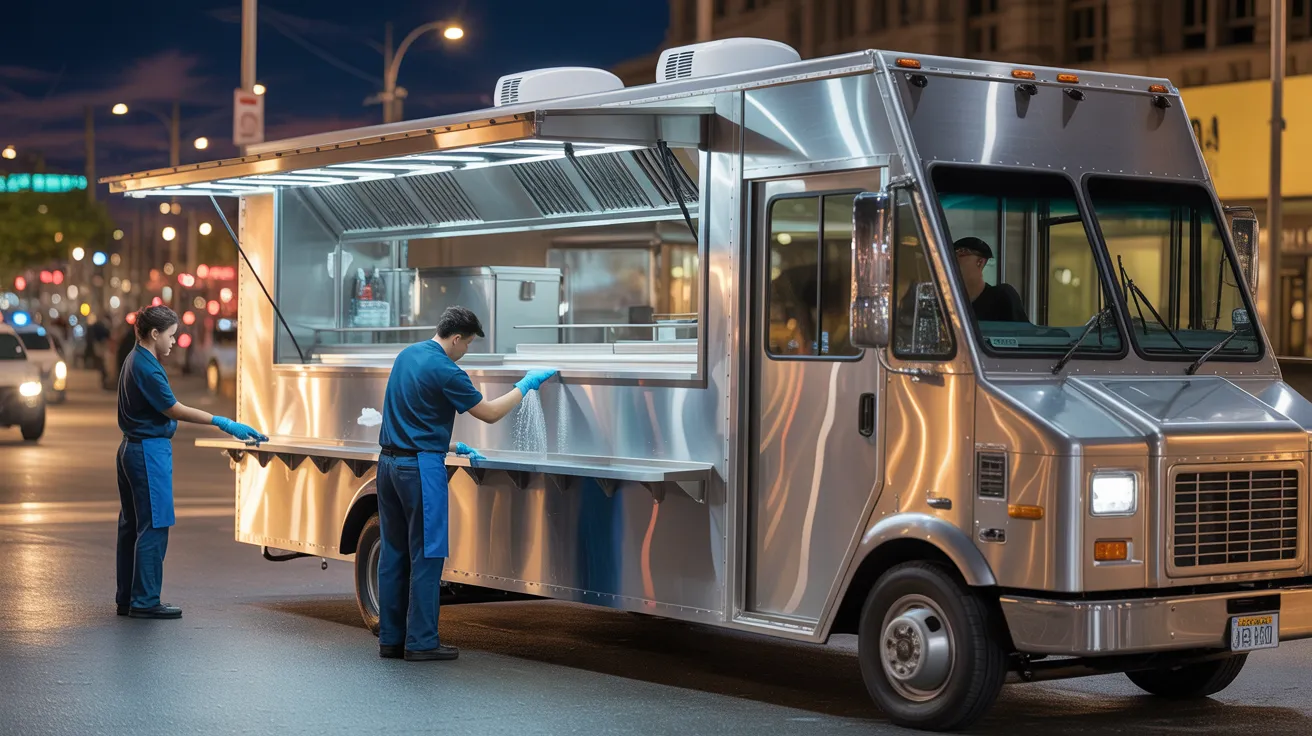
You'll equally need compliant food safety cleaning in storage centers, processing facilities, refrigerated warehouses, bakery retailers, school nutrition programs, event halls, and delivery centers. Mobile and temporary businesses count as well, including food trucks, festival vendors, and pop-up establishments. When your team process ingredients, portion ready-to-eat items, reheat products, or store allergens, your facility requires written cleaning standards. In Brampton, food safety is mandatory; it constitutes lawful, operational, and customer protection standards.
What Do Brampton Cleaning Professionals Handle?
You need professional cleaners who sanitize high-touch surfaces, kitchens, floor surfaces, and bathrooms to meet food safety and public health standards. They focus on these spaces because they present the highest risk for contamination spread, slipping risks, and hygiene violations.
If you comprehend their cleaning services, you'll successfully ensure your facility meets all operational and regulatory compliance needs.
High-Touch Surface Sterilization
Skilled Brampton facility managers recognize that high-touch surfaces demand disinfection since these areas harbor harmful organisms and food particles. You need a formal plan for disinfecting frequently touched items like handles, plates, switches, railings, equipment controls, payment terminals, and fridge pulls. Applying area assessment techniques, professionals determine every commonly touched area and establish cleaning frequency
confirm that cleaning was proper and document corrective actions when results fall outside target ranges
Kitchens, Floors, and Restrooms
Brampton cleaning professionals will address kitchens, floors, and restrooms since each space presents different hygiene concerns, injury, and public health challenges. In industrial kitchens, you need grease removal from cooking stations, appliance surfaces, drain systems, preparation areas, and backsplashes to reduce contamination and pest pressure.
Documented floor care is likewise provided as part of the service.
Restroom cleaning involves disinfecting touchpoints, fixtures, partitions, dispensers, and waste containers, restocking supplies and controlling odours. They also maintain restaurant cleaning supply rooms where product storage, sink cleanliness, and drain systems impact daily sanitation standards and worker protection.
Food Safety Cleaning Significance for Brampton Businesses
To adhere to health code requirements and succeed in audits, Brampton facilities must follow appropriate cleaning protocols. You also reduce bacterial spread through proper cleaning of food-preparation surfaces, appliances, and frequently-touched items. Most importantly, you safeguard community wellness by reducing the chance of food poisoning in your establishment.
Regulatory Code Requirements
Because Brampton food establishments operate under mandatory safety protocols, food safety cleaning directly impacts your capacity to satisfy health code requirements, protect customers, and avoid enforcement action. You must maintain sanitized food contact points, recorded sanitation plans, proper chemical use, and verifiable staff procedures that correspond to municipal and provincial inspection expectations.
Should your cleaning standards decline, you encounter notices, corrective directives, brand damage, and operational suspension during further inspections or enforcement actions.
Cross-Contamination Prevention
Meeting regulatory requirements also depends on your ability to prevent cross-contamination during daily food handling and cleaning. You must separate raw ingredients from ready-to-eat foods, sanitize prep surfaces between tasks, and store chemicals away from food-contact items. Clear procedures reduce transfer risks and support consistent compliance during inspections.
You should implement allergen segregation to keep priority allergens from contacting shared surfaces, containers, or equipment. Employ separate boards, labeled implements, and strict utensil labeling so employees avoid combining products throughout cooking or serving. Mandate washing hands following uncooked proteins, shellfish, egg items, or allergen products. Change cleaning rags frequently, and check disinfectant potency using test kits. When you train staff to follow these controls every shift, you create a cleaner, safer operation that satisfies Brampton's safety standards consistently.
Public Wellness Defense
If food safety cleaning declines, you don't merely risk a failed inspection—you boost the probability of foodborne illness harming customers, staff, and see the full story the broader Brampton area. You also undermine your responsibility in protecting public health, especially in high-traffic food premises where contamination can spread quickly through surfaces, equipment, and touchpoints.
You need sanitation procedures that remove soils, sanitize correctly, and confirm effectiveness. That requires adhering to exposure periods, employing authorized sanitizers, recording cleaning times, and educating employees to meet regulatory standards. These measures facilitate pathogen reduction by reducing pathogens before they contaminate surfaces or food. In Brampton, strong sanitation protects vulnerable populations, prevents disease spread, and enables you to show due diligence. When you maintain proper standards, you don't just meet regulations—you substantially decrease danger and support safer food service throughout the region.
Why Is Cleaning Essential for Food Safety Compliance?
Following thorough cleaning protocols backs food safety compliance by decreasing contamination threats, controlling pathogen growth, and positioning your facility in accordance with sanitation requirements under HACCP-based programs and public health regulations. You confirm that contact surfaces are visibly clean and microbiologically controlled, backing documented preventive controls and inspection readiness.
Proper cleaning procedures also strengthen allergen management by eliminating residues that can lead to undeclared allergen exposure.
Determining When to Arrange Commercial Cleaning
Elevate cleaning rate during peak output, equipment changeovers, spill incidents, and after maintenance work.
closures, seasonal-related soil accumulation, or pest pressure periods.
Finding Quality Brampton Cleaning Experts: A Guide
Screen providers initially by their food hygiene standards—not budget alone. You need to confirm that every company meets CFIA, public health, and HACCP standards for your operation. Demand insurance verification, WHMIS compliance, training records, and management systems. Evaluate technician understanding of cross-contamination risks, chemical safety, and documented sanitation practices.
You should also assess operational reliability and accountability. Request references from food facilities in Brampton, then examine response times, corrective actions, and communication standards. Confirm the company supports supplier audits and can present inspection-ready documentation when regulators or third parties request evidence. Check whether equipment is maintained is performed, colour-coded tools are used appropriately, and facility-specific risks are recognized. A competent service protects compliance, product quality, and your brand reputation.
What's covered in a Food Safety Cleaning Plan?
Establish a documented program that establishes every sanitation duty, standard, and accountability before production begins. You should specify cleaning intervals, permitted substances, dilution percentages, exposure times, instruments, and inspection methods for each sector, surface, and equipment. Add pre-operational inspections, corrective actions, and employee training requirements.
Your plan should also focus on cross-contamination controls, waste handling, pest-prevention measures, and documented schedules for restrooms, drains, floors, and food-contact areas. Describe how you'll keep raw and ready-to-eat processes separate, facilitate ingredient tracking, and ensure accurate allergen labeling through validated cleaning between product changes. You should set accountability, maintain signed records, and assess results against regulatory standards, HACCP controls, and customer requirements. When gaps appear, modify procedures immediately and retrain staff.
Commonly Requested Questions
Will cleaning services manage nighttime hours at Brampton properties?
If you manage controlled environments, you'll also need documentation that enable inspections and ensure compliance.
Do sanitation professionals offer hazard containment services?
Yes, you can expect Brampton cleaning experts who provide hazard containment solutions. They manage hazardous materials, evaluate dangers, contain contamination, and start rapid decontamination to minimize risk and avoid operational disruption. You should confirm response times, professional credentials, safety procedures, and disposal procedures. If your facility must comply with industry standards, select a service that records events, follows compliant standards, and supports audit readiness.
Do environmentally safe disinfectants function safely on food preparation areas?
In essence, natural disinfectants are safe for surfaces contacting food provided you select items marked food-safe that adhere to regulatory compliant. Validate application timing, dilution ratios, and rinse requirements prior to application. Plant-derived products decrease chemical hazards, although you should obtain confirmation of performance against specific pathogens. For maintaining surfaces without residue, stick to precise manufacturer instructions and validate the disinfecting agent meets food industry regulations.
Will cleaning plans respond to seasonal production changes?
Certainly, cleaning schedules adapt to seasonal variations effectively. Revise intervals, labor allocation, cleaning agents, and validation steps to fit with operational cycles while sustaining regulatory compliance. Lower equipment downtime through scheduling sanitation around line changes, peak volumes, and equipment use patterns. Also revise written procedures, employee training, and environmental monitoring to reflect transient threats, additional allergens, or increased soil loads. Scheduled reviews keep your strategy effective.
Do professional cleaning services educate employees on hygiene standards?
Certainly, commercial cleaners coach your staff on sanitation best practices. You obtain employee development on proper chemical use, contact times, contamination control, equipment disassembly, and documentation. They generally coordinate instruction with HACCP, GMP, and CFIA or regional health bodies requirements. Many also run sanitation audits to check standards, uncover shortcomings, and reinforce corrective actions. This helps you copyright standard processes, satisfy audits, and minimize foodborne pathogen risks daily.
Final Thoughts
Partnering with Brampton food safety and commercial cleaning professionals goes beyond tidying—it guarantees your operation stays inspection-compliant and your standards are defensible. From kitchen areas to production zones, each sanitized surface and organized section reduces health hazards and prevents major expenses. By arranging service at suitable frequencies and implementing a thorough cleaning program, you protect your workforce, your customers, and your reputation. In a tightly controlled market, sanitary conditions can't be overlooked—they're vital to proper management.